Monday, 29 July 2013

Taman Negara

There are far too many things capable of killing me in Taman Negara. Spending time in the rainforest should make you see how vulnerable you are to Mother Nature- I ended up asking around for advice about how to deal with various forest creatures, unfortunately resulting in me hearing five different ways to deal with leeches, so in the event one would attack I would have no idea which method is best to use.  

However the fact that none of the guides, experts or simply more experienced travellers are afraid to hang out with the Huntsman Spiders and Pythons puts you in a weird kind of comfort zone. That, and all of the people that fill the easy-to-reach parts of the jungle make it worryingly easy to believe you are just as competent here as you would be in the back garden.

But the truth is, yes that Slow Loris you saw is really cute and it is very exciting to see him climbing through the trees at night, but that same Slow Loris is venomous and his bite could potentially kill you! I am a little afraid of trekking in rainforests, but that is wise isn’t it?

The National Park has tried to make it very easy for ‘trekkers’ like me though to avoid getting eaten by leeches, snakes and all other nature by putting down boardwalks around the shortest routes. I found it really disappointing to find that my path and ‘trekking’ was so timid. Talking to the people who work here, I found out that in some of the villages on the outskirts of the park tigers are a real problem and people are attacked by the big cats. One man said I was welcome to go and stay in his village if I wanted to see what the real jungle was like.  This was a very tempting offer, as the promise of seeing more authentic jungle appealed to my adventurous side.

This offer is reaching more and more tourists who are sick of the ‘well beaten’ path, meaning that these villages will inevitably become the new places to visit, leaving the old ones where 80% of people survive off of the tourists struggling to cope. It seems to be an unshakeable trend, so is there a way to protect the communities that survive off of the tourist industry?


According to the experts, not really. Taman Negara, and in particular the town Kuala Tahan, really showed how worrying being reliant on one industry can be, especially one as fickle as tourism. 

Monday, 8 July 2013

The Perhentians

Long Beah, Pulau Perhentian Kecil
So, depending on who you ask, advice and reviews of the Perhentian Islands can be very different- my boyfriend described how chilled out it is, divers in South Africa raved about all the different types of Nudibranch and a local guy I met in Kuala Lumpur earnestly advised me “CAREFUL OF ALL THE DRUGS”.

Personally, I found all of these descriptions to be true. You can certainly feel the island vibe and get swept up in that way of life. Shoes? What are they? Monitor lizard in the shower? The more the merrier. Going to eat in a restaurant on the island is like going into someone’s home where they sometimes make food for people, which leads to friendly banter with the staff and up to a two hour wait for a stir-fry. You certainly won’t get away with being high-maintenance on this island and it is for only this reason, in my opinion, people don’t enjoy the place. People who are afraid of the frogs in the toilet and can’t accept the hose that hangs from the wall as a shower won’t last long here.


But that is a shame, I think. I am not worried about the ‘poor’ service and basic facilities because it is these things that help to give the island its charm. You only get electricity for 12 hours a day in most resorts, but not for lack of energy. The locals just don’t think that having electricity all day is necessary and so they switch it off. Who needs to charge their phone when they can go snorkelling with turtles? The sea has an average temperature of 30 degrees, so who needs a hot shower?

However, as the demands of tourists increase as more Malaysians and ‘flash-packers’ push up prices with their glamorous version of backpacking complete with hair straighteners and high heels, the islands will continue to change. Already, wifi is becoming more readily available, along with western food and there are even plans to build a bridge between the big and small island much to the disgrace of many of the people who live there. Expansion is in motion, and there isn't anything that can really stop it.


Having said that, I can completely see why people will keep going and I strongly recommend that everyone does. I spent at least two hours every day swimming very slowly in circles being followed by tiny fish like a really rubbish shark, just because the water was so warm and the sea so calm it felt difficult to leave once you were in. Not to mention the hundreds of amazing colourful fish, baby sharks, moray eels, sting rays and turtles.


So my review? You might grow gills you'll spend so much time in the water and that is totally okay. Take it easy.


Thursday, 27 June 2013

Addo, Aliwal and Out


My last week in South Africa was mainly about the animals- Addo Elephant Park and Aliwal Shoal Marine Reserve.

In both of these places I questioned just how brave I really am when I am no longer top of the food chain. Lions, buffalo, hippos and a whole range of sharks are a reality for people who live in South Africa, and dealing with them in a safe way is important. A ranger at Addo has survived lion, elephant and buffalo attacks in his time working in the park, and for this reason it is said he will go down in history. As well as this, a shark expert in Aliwal Shoal told me the most effective way to deal with aggressive sharks is to punch them in the face. No really. It is his job to beat up sharks that may get too feisty with divers. It is somehow reassuring to know our fight-or-flight instincts are still intact, and at the same time scary that in the end that is all we really have when threatened by nature.

Yet so many of us are still fascinated and not scared of these hostile creatures, ending up with attacks happening relatively often. It is easy to see why when you drive around Addo and stumble across a whole family complete with small children who have jumped out of their car to try and take a photo with the lions.

Ignorance, bravery or craziness? It is hard to tell with all people, but ignorance seems to be the most common problem. When the lions are so far away and appear to be sleeping, they seem gentle as if you could edge closer to them- but they run at 80km an hour and are opportunist killers. Humans are easy picking for them, and that is how accidents happen.

But ignorance isn’t only a problem for people. When shark attacks occur, there is often an outcry to kill sharks in the area in order to protect the humans who choose to surf/dive there. But (apparently) sharks are quite placid by nature, and when I was in their territory you could almost believe that. Not one of the experienced divers or experts on wildlife was scared of sharks, because they are confident and know exactly how to deal with them. I think I need a little more practice to have that kind of bravery.

Furthermore, Addo Elephant Park has lost two rhinos so far this month to poachers. Not only this, but warthogs apparently go missing often as people come in, shoot them, and take them home for tea. The ranger I talked to was disgusted by this, but at the same time chuckled and told me they are very tasty though. There are so many warthogs, it is hard to feel sympathy for them while you are there, but the much bigger problem of poaching of the endangered animals calls into question the ignorance of the people who still buy these illegal products.


In short, it seems very clear that educating people could help save so many lives- both animal and human.

I have left South Africa now and I'm currently chilling in a hotel in Malaysia! I was sad to leave as there is SO much I could have done, but being unexpectedly bumped up to business class on the flight certainly made it easier! Thank you very much Qatar Airways, and see you later South Africa! I'll be back.


Thursday, 20 June 2013

Wilderness


The first stop after Cape Town was Wilderness (the name was so intriguing I had to stop here). My very intelligent Dutch travelling friend and I were greeted by torrential rain, an empty hostel and the information that the primary activity would be to walk along the broken train tracks around the side of the cliff to visit the caveman.

Route to the Caveman


The story goes that the train tracks once belonged to a tourist train that would drive passengers from the village to the cave, where there was a restaurant. They could spend the evening here, then get the train back. For this reason, there are individual rooms and running water available in the cave. A luxury cave, if you will. But it has long since been abandoned since the train stopped running seven years ago, and now the caveman squats there and takes in the homeless. He informed me that he can house eleven people at a time. The caveman himself is very softly spoken and incredibly friendly. He will happily give you the tour and explains that he decorated it all himself, with God’s help. Interestingly, God’s will in this case is lots of sea shells and an Egyptian theme.

The Cave

As well as the caveman, there is a national park here, famous for the birds. After canoeing up the river, you can see why. Everywhere you look there are huge and colourful birds that I have only ever seen in zoos or courtesy of David Attenborough before. The water as well, although shallow, was filled with tiny fish as if there wasn't really room for them all. I felt very zen by the time I left.

Raft to cross the river in Wilderness National Park

The one night spent here, the five of us staying in the hostel ended up going for a meal in the village. The most popular bar and restaurant had a surprisingly vibrant atmosphere as there was live music from a selection of local people. Reggae and country music seemed to be the pick of the day, with most artists playing either Bob Marley or Bob Dylan at some point in their repertoire. The wine was flowing, perhaps a little too much, and on the way back to the hostel, a woman dressed as Cleopatra invited us into a birthday party happening in a bar on our route home. Dancing with the group of family and friends who were all in fancy dress was a really warm and happy experience. People here really are so friendly.

24 hours in Wilderness was a special experience to say the least.


Thursday, 13 June 2013

Cape Town


“So, how safe is Cape Town?”

The taxi driver laughed when I asked him this, and pointed out that a man was hacked to death by extremists in London not so long ago. “You should be more worried about living in the UK.”

I’m not so sure about that, but yes, Cape Town certainly seems and feels safer than South Africa’s general reputation would have you believe. It is low season here at the moment, and I have been really lucky with the weather, and so it has been a really pleasant place to start my trip.

South African people seem to be very proud of their friendly culture, with everyone I meet being more than happy to help me and people are always very warm. It feels very welcoming.

Of course, you must be sensible in the area. I am aware of the gang crime and the fact people begging may be affiliated to these gangs. I also know that pickpockets are very clever and you ought to be careful of the mini cabs as, like most places, some people are out to extract as much money as possible from the tourists.
All of these things netted together display for me how tourism in the area works. There are tour companies willing to cut corners and out to rip you off, but there also many that are very honest, looking to help you and find you the best deal, even if this means directing you to an alternate company and losing the sale. Mile by Mile Tours (http://www.milebymile.co.za/) is one such company, and during my interviews with Ndonona (who was incredibly well informed and equally as lovely) I gained an insight into the way things worked in Cape Town.

He believes that tourism is a sustainable way for countries in Africa in general, including South Africa, to develop, saying that the old model of industrialisation for development is becoming out dated and is unsuitable for newly developing countries. Instead of trying to compete in manufacturing for example, South Africa should advertise its beauty to international tourists to generate income. It was really enlightening talking to someone who clearly cares so much about the way the country is developing, but also with a concern for the environment and had informed opinions on how industries should be moving forward. Needless to say the interview went on longer than I intended!

His ideas are supported by the statistic that for every eight tourists, there is one job in Cape Town, which was kindly told to me by the owners of the hostel Atlantic Point (http://www.atlanticpoint.co.za). When interviewing Tim and James, the attitudes towards the environment of people who grow up and live in South Africa helps to explain the way business is subsequently practiced. However, they also described how the backpackers who visit the hostel share their respect for the environment, suggesting room for ecotourism to grow in this sector of the market.

They were also responsible for an amazing Braai (South African BBQ) in which there was loads of people, loads of food including ostrich meat, and loads of really fond memories made. Thank you very much Tim and James, all of the staff and top guests who made it a golden night! If ever I could feel the warmth of South Africa, it was here.


Friday, 7 June 2013

In The Beginning

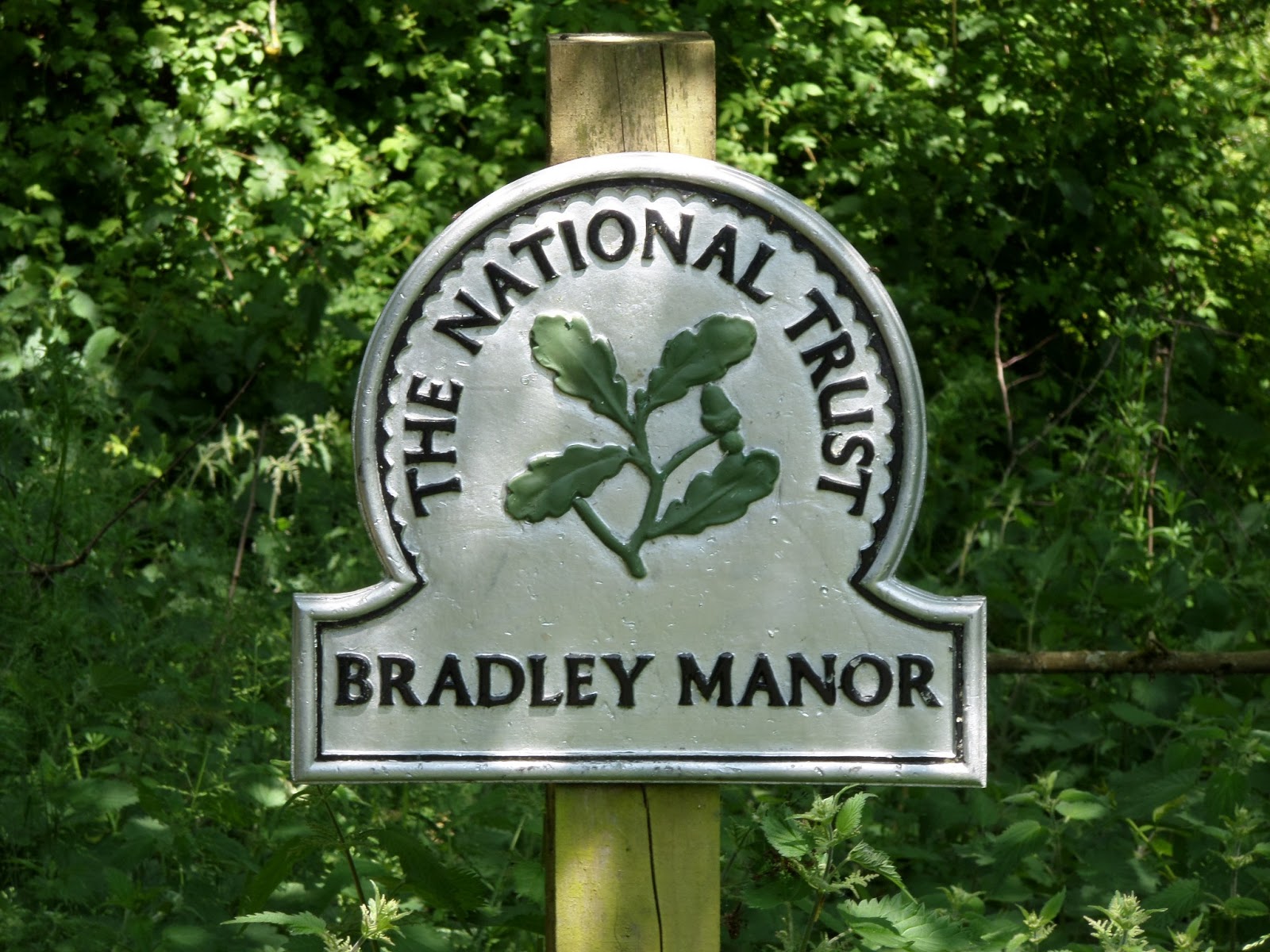
Bradley Woods National Park
Less than a minute away from where I've lived my whole life, is Bradley Woods- more commonly known to me and other locals as Bakers Park. I've practically grown up in this park learning to ride a bike, picnics with friends, running away from cows and swooning over footballers (Number 5 in particular, but never had the courage to talk to him) all being fond memories for me. I love it here,despite the fact it isn't the biggest or most beautiful nature reserve in the world. Devon is full of places like this, not to mention gorgeous beaches and friendly people, and so it naturally attracts a lot of tourists. Old people, families and stag-nights alike flock to the English Riviera to enjoy what we have to offer, and for this reason a lot of people live off of the tourists with ample seasonal work and streets full of hotels.

This was partly the inspiration for my proposal for the Circumnavigators Foundation's fabulous scholarship: if I feel so strongly about my home and national park, how do people round the world who are intimately involved with much vaster natural areas feel about theirs? Does the tourism have a similar fueling effect, or is it destroying the places they love and cherish? Like the 20 years in which I have been familiar with Bakers Park, have others noticed change? Has it been for the better or worse?

I hope to answer some of these questions and fulfil my curiosity by visiting areas of natural beauty and tourist hotspots around the worlds this summer, more specifically in South Africa, Malaysia, Indonesia, Mexico and Brazil.

As all of these places are considered megabiodiversity and developing countries, and so I want to understand the effect of tourism on the local communities and environment- either as a source of income and sustainability or a catalyst for inequality and erosion. Can the environment and society move forward together with the help of tourism? We shall see.

My travels start today when I fly to Johannesburg and I cannot begin to describe how excited I am. If you are interested in my travels and the discoveries of a curious twenty year old, just watch this space.